



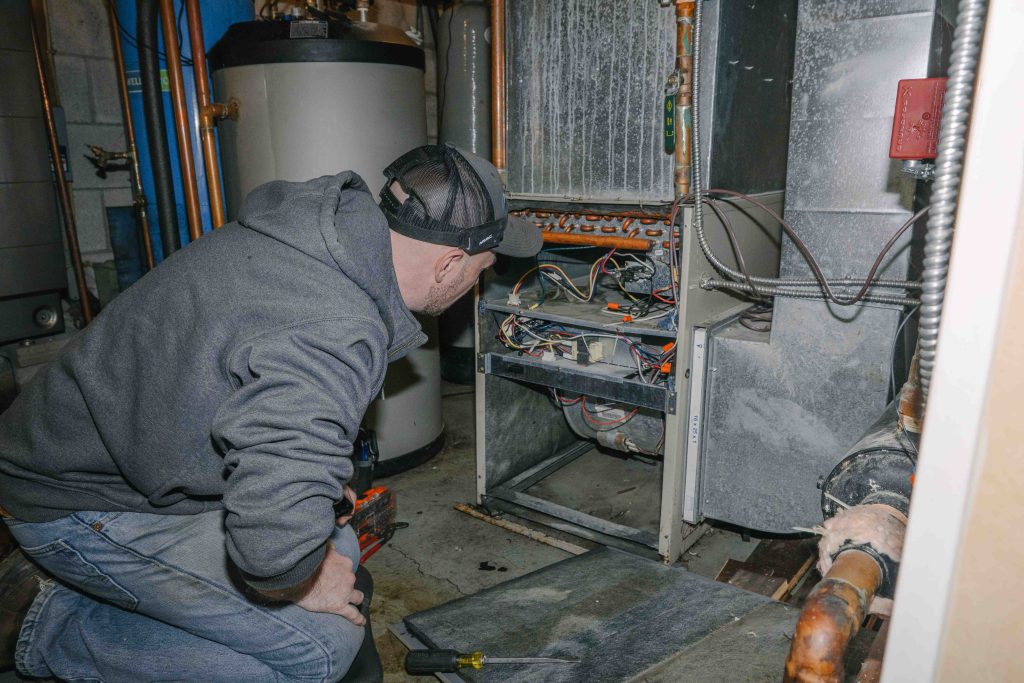
Check thermostat mode, fan settings and accessible filters first. Persistent loss of heat needs professional diagnosis.
A furnace blowing cool air may be responding to thermostat settings, circulating air between heating cycles or experiencing a fault. The symptom alone cannot tell you which cause applies. Start with the controls you normally use and arrange professional service if heating does not return.
Check the thermostat and fan setting
Confirm that the thermostat is set to heating and that the selected temperature is above the current room temperature. If the fan is set to On, it may circulate air when the furnace is not producing heat. Auto generally lets the equipment control fan operation during the heating cycle; check your model’s instructions.
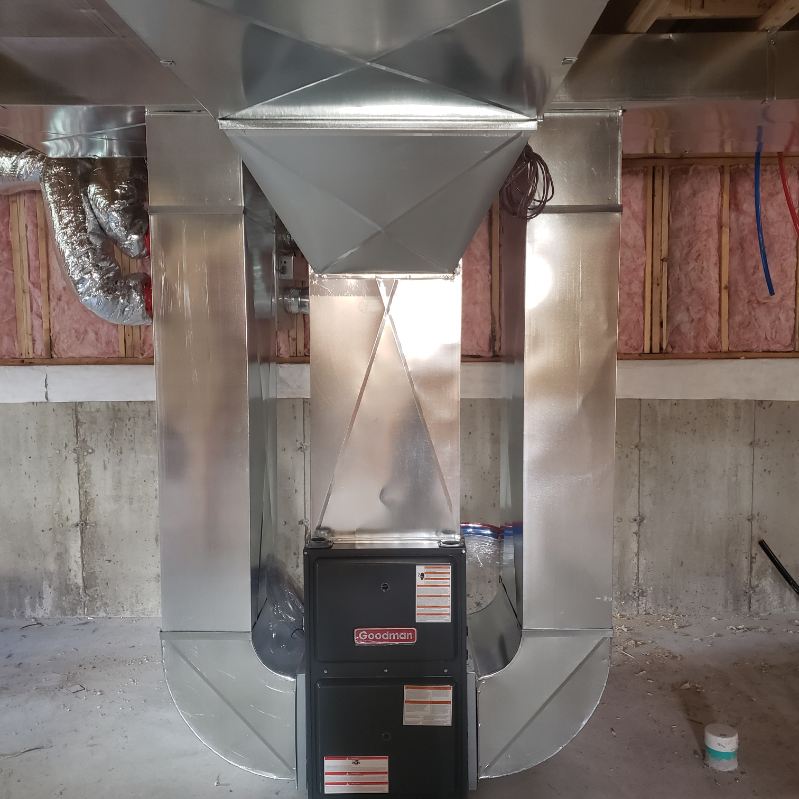
Check accessible filters and vents
Inspect the filter according to the manufacturer’s instructions and confirm that supply and return vents are not obstructed by furniture or rugs. Use the correct filter specification rather than choosing only by size.
Daikin’s DR80TN manual identifies poor filter maintenance as a common contributor to inadequate heating or cooling. Its guidance is equipment-specific and should not be taken as proof that a dirty filter is the cause of your problem.
When cold air points to a service problem
If the home needs heat but the furnace continues delivering cold air, repeatedly stops heating or cannot reach the selected temperature, arrange an assessment. Ignition, fuel supply and safety-control faults require professional diagnosis. Avoid repeatedly resetting the furnace or attempting to bypass controls.
The same Daikin manual reserves igniter handling for a qualified servicer. Do not remove, clean or adjust internal ignition equipment based on a blog article.
What to tell your service technician
- When the issue began and whether it is constant or intermittent.
- The thermostat mode, fan setting and room temperature.
- Any visible error message you can read without opening equipment.
- Recent maintenance or filter changes.
For diagnosis and repairs, see CORH’s furnace repair service in Barrie. An older system does not automatically need replacement; if replacement becomes appropriate after assessment, discuss furnace installation options.
Contact CORH to arrange service or call 705-517-0174.
Record the pattern before your service visit
A clear description helps your technician understand what needs investigating. Is the air cool only at a particular point in the cycle, or does it stay cool while the room temperature drops? Does the problem affect every vent, or mainly one part of the home? Write down what you can observe without opening the furnace.
Note the thermostat mode, fan setting and selected temperature. If an error message is visible on the normal display, record it exactly. You can also describe any recent filter change or service visit. These observations support an assessment; they do not identify the failed component by themselves.
Keep homeowner checks separate from repairs
Limit your checks to the controls and maintenance tasks described in your equipment's homeowner instructions. Do not remove panels to reach burners, ignition parts or electrical controls. Avoid copying a reset or cleaning procedure intended for a different model.
If the basic settings are correct and the home is not warming, arrange service rather than repeatedly changing settings. Tell CORH that you have a loss-of-heat concern so the team can discuss the appropriate next step.
Common questions about a furnace blowing cold air
Does cold air mean I need a new furnace?
No single symptom establishes that replacement is necessary. A diagnosis should come before a repair-or-replacement decision.
What should I have ready when I call?
Have your contact details, equipment information if available, a description of the problem and the observations above. Mention any safety concern at the start of the conversation. If you suspect a gas leak or a carbon monoxide alarm sounds, leave and contact emergency services or your gas utility from a safe place.
Describe what the thermostat and the house are doing
“Cold air” can mean different things to different people. Explain whether the air feels cooler than expected, the thermostat temperature is falling or the furnace seems to be running without warming the home. Include the selected temperature and the displayed room temperature if both are available. These details help define the complaint without asking you to identify an internal fault.
If you have already noticed a pattern, describe it in ordinary language: the fan runs without a heating request, the air changes during a cycle or the home never reaches the selected temperature. You do not need to keep an unsuccessful heating cycle running to collect more observations. Where heat is unavailable, contact a service provider and explain the situation promptly.
Is the concern throughout the home or in one area?
Tell the technician whether all rooms seem affected or whether the concern is concentrated in one area. Mention any recent renovation, furniture change or work involving the heating system. Avoid assuming that a cool bedroom proves the furnace itself has failed. The location and timing of the comfort concern are part of the information a professional can assess.
You can write down which rooms feel different and when you notice it. Keep your observations simple and repeatable, using the thermostat display rather than trying to measure internal furnace temperatures. Do not open equipment or adjust unfamiliar controls to test a theory. The goal is to provide a useful description of everyday operation, not to carry out a diagnostic procedure.
Prepare for the appointment and the repair discussion
When booking, ask what information the service team needs and whether there are any instructions for your equipment while you wait. Explain if you are a tenant, a landlord or a homeowner, and confirm who can authorize work. Provide a reliable callback number and arrange access with the people who will be present.
Keep the route to the equipment accessible where you can do so safely. Tell the team about access restrictions, pets or scheduling constraints in advance. Have previous invoices available if the furnace has recently been serviced. A short account of what happened before and after that visit is usually more useful than guessing which part should be replaced.
After the assessment, ask what was found, what work is proposed and what the estimate includes. If a repair is completed, ask what normal operation should look like and what to do if the same symptom returns. Keep the invoice and any operating instructions together. If the explanation is unclear, ask the technician to describe it in everyday terms before you make a decision.
About CORH: help with a heating concern
CORH provides heating and cooling services across Barrie, Orillia, Innisfil and surrounding Simcoe County communities, including furnace repair and installation for homes and businesses.
For this problem, start the conversation with the loss-of-heat concern and the thermostat observations you can provide safely. The team can discuss a service assessment and the appropriate next step. This article provides preparation for that conversation; a recommendation for your furnace should follow an assessment of the actual equipment.
Sources
Make the next step a clear one.
Discuss your heating or cooling needs with CORH in Barrie and Simcoe County.
Schedule a service →Disclaimer
This article provides general educational information compiled from reputable public sources, including manufacturer guidance. Conditions vary by property, equipment model, installation, maintenance and operating environment. This content is not a substitute for an inspection or advice from a qualified HVAC professional. Follow the instructions for your specific equipment and consult a qualified technician before undertaking repairs. Lifespan estimates are not guarantees. If you suspect a gas leak or a carbon monoxide alarm sounds, leave the building and contact emergency services or your gas utility from a safe location.