


Central air conditioners have a general life expectancy of 15 years or longer; equipment type and condition affect the decision.
Natural Resources Canada gives a life expectancy of 15 years or longer for a central air conditioner. This is a general estimate, not a guarantee for every system. Window units, portable air conditioners and other equipment should not automatically be assigned the same lifespan.
What affects an air conditioner’s service life?
Installation, equipment selection, maintenance and operating conditions influence long-term performance. A system’s age is useful context, but it does not reveal its current condition or the cause of a cooling problem.
Keep installation paperwork, service reports and repair invoices together. This record helps a technician understand the equipment’s history when you are deciding what to do next.
What does Daikin recommend about maintenance?
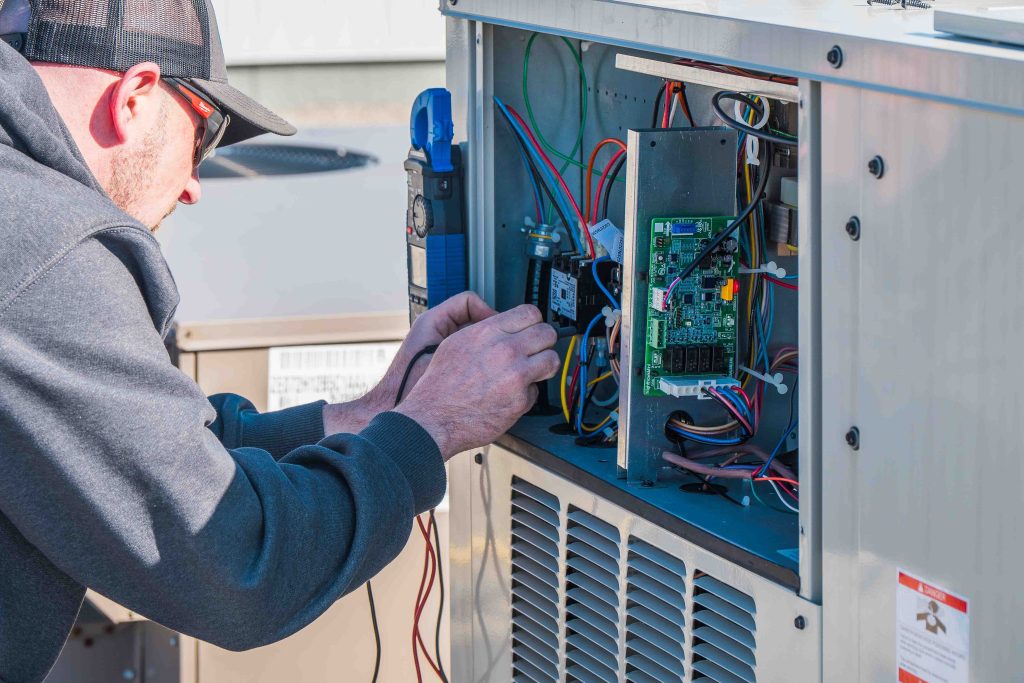
Daikin’s DX17VSS manual recommends professional maintenance checkups before the heating and cooling seasons and specifies the use of an indoor air filter. This is guidance for that equipment, not a universal schedule for every air conditioner. Follow the instructions for your own model.
Natural Resources Canada also recommends regular inspection, cleaning or replacement of heating and cooling system filters. Ask your service provider which homeowner tasks apply and which inspections require professional access.
When should you consider replacement?
Arrange an assessment when repairs become frequent, cooling is unreliable or the system struggles to keep your home comfortable. Compare repair scope, overall condition, warranty coverage and replacement costs before making a decision.
Warranty length is not the same as expected equipment lifespan. Do not assume that a warranty covers every component, labour charge or future repair; review the terms for your specific equipment.
CORH’s AC repair service can help identify an existing fault. If replacement makes sense, discuss sizing and equipment selection through its air conditioner installation service.
Make the decision around your home
Before an appointment, gather the system’s approximate age, repair history and a description of the cooling problem. Ask for a clear explanation of the available options rather than deciding by age alone.
For maintenance or a cooling assessment in Barrie and the surrounding region, contact CORH or call 705-517-0174.
Know which cooling system you have
Before applying a lifespan estimate, identify whether you are discussing a central air conditioner, a ductless system, a heat pump or a room unit. The central-air estimate in this article should not be treated as a universal number for every type of cooling equipment.
Gather the model information and installation paperwork you have. If you are unsure which equipment provides your home's cooling, ask your service provider to identify it and explain the maintenance guidance that applies.
Prepare a repair-or-replacement comparison
Write down your main concern before requesting an assessment: repeated breakdowns, unreliable cooling, comfort differences between rooms or a specific fault. Include the previous repair history so the discussion starts with the equipment's condition rather than age alone.
- Ask what the proposed repair would fix.
- Check what is included in each estimate.
- Review warranty coverage and any exclusions.
- Ask what home and equipment information is needed for replacement selection.
- Discuss the timing and practical steps if replacement is recommended.
Keep the written estimates and explanations together. This makes it easier to compare the actual scope of work instead of comparing prices for different services.
Common air conditioner lifespan questions
Does a 15-year-old central AC automatically need replacement?
No. The general estimate helps with planning, but current condition, reliability and repair options should guide the decision.
Is warranty length the same as service life?
No. Warranty coverage describes the manufacturer's terms for particular failures and costs. It is not a promise that the entire system will last for a specific period without repairs.
Assess the equipment you own today
A general life expectancy can help you plan, but it cannot describe the condition of an individual air conditioner. Start with what you actually know: the installation paperwork, service history and current concern. Keep confirmed information separate from an age estimate based on a previous owner's recollection. Where records are missing, ask the service provider what can be established from the equipment information.
If you have recently moved in, create a simple cooling-system file. Include the model details, invoices and any operating instructions left with the home. Write down comfort concerns in your own words rather than deciding in advance which component has failed. This gives an assessment a useful starting point and helps you keep track of recommendations over time.
Compare complete replacement proposals
When replacement is being considered, ask what information about the home will guide equipment selection. Describe areas that are difficult to cool, changes to the home and what you would like the new system to improve. Do not assume that selecting the same equipment size or a familiar brand is enough to establish a suitable replacement.
Review the written scope for the installation, including how the existing system and connected components will be assessed. Ask about controls, access, removal of old equipment and any work that is excluded from the estimate. Clarify what installation checks, homeowner instructions and follow-up arrangements are included. These details make proposals easier to compare on the work being offered.
Keep product information separate from promises about your future bills or the lifespan of the complete installation. Ask which statements relate to a particular model and which depend on the home, usage or installation. Where a result cannot be predicted for your situation, acknowledge that uncertainty in the decision instead of treating a general example as a guarantee.
Make a decision that fits the actual problem
Consider two hypothetical situations. One homeowner has an older system that is operating reliably and wants to plan ahead. Another has equipment with repeated service visits and a newly diagnosed fault. Both need useful information, but the urgency and questions will differ. These examples are planning scenarios, not accounts of CORH customer outcomes.
In the first situation, the discussion may focus on condition, records and future options. In the second, it should explain the present fault, the proposed repair and the reasons replacement is or is not being recommended. Avoid applying a fixed age cutoff or a blanket percentage rule without understanding the equipment and the scope of each option.
If you also want to explore a heat pump installation, raise that question during planning. Ask how the alternative would fit the home and what additional assessment is needed. Compare written proposals and verified eligibility for any offer separately; do not assume every household or product qualifies for the same program.
About CORH: local cooling advice
CORH provides heating and cooling services for homes and businesses in Barrie, Orillia, Innisfil and surrounding Simcoe County communities, including air conditioner repair and installation.
Bring the team your equipment history and explain whether you need a current fault assessed or want to plan a replacement. Ask for recommendations that address your home's cooling needs and a clear explanation of the proposed scope before approving work.
Sources
- Natural Resources Canada: central air conditioner life expectancy
- Natural Resources Canada: heating and cooling maintenance
- Daikin DX17VSS manual: routine maintenance recommendations
Make the next step a clear one.
Discuss your heating or cooling needs with CORH in Barrie and Simcoe County.
Schedule a service →Disclaimer
This article provides general educational information compiled from reputable public sources, including manufacturer guidance. Conditions vary by property, equipment model, installation, maintenance and operating environment. This content is not a substitute for an inspection or advice from a qualified HVAC professional. Follow the instructions for your specific equipment and consult a qualified technician before undertaking repairs. Lifespan estimates are not guarantees. If you suspect a gas leak or a carbon monoxide alarm sounds, leave the building and contact emergency services or your gas utility from a safe location.